
Quiet rooms are not empty rooms. They are rooms in which every object has a reason to be there and enough space around it to be seen. The result is calm, but it is also generous: a quiet room leaves space for the people in it.
Restraint as a design tool
We reduce the number of materials in a room until each one can be felt. Stone, oak and linen are often enough. Lighting is layered and low, so that the evening has its own character, distinct from the day.
Storage does a great deal of the work. When everyday things have a proper place behind a calm joinery front, surfaces stay clear without anyone having to try.
A quieter room ages well because it was never built on a trend.
Five habits of a quiet room
One dominant material, carried through floors and surfaces
Storage designed before furniture is chosen
Light from several low sources rather than one bright ceiling
Textiles that soften sound as well as surfaces
A single object of real value, given space to be seen
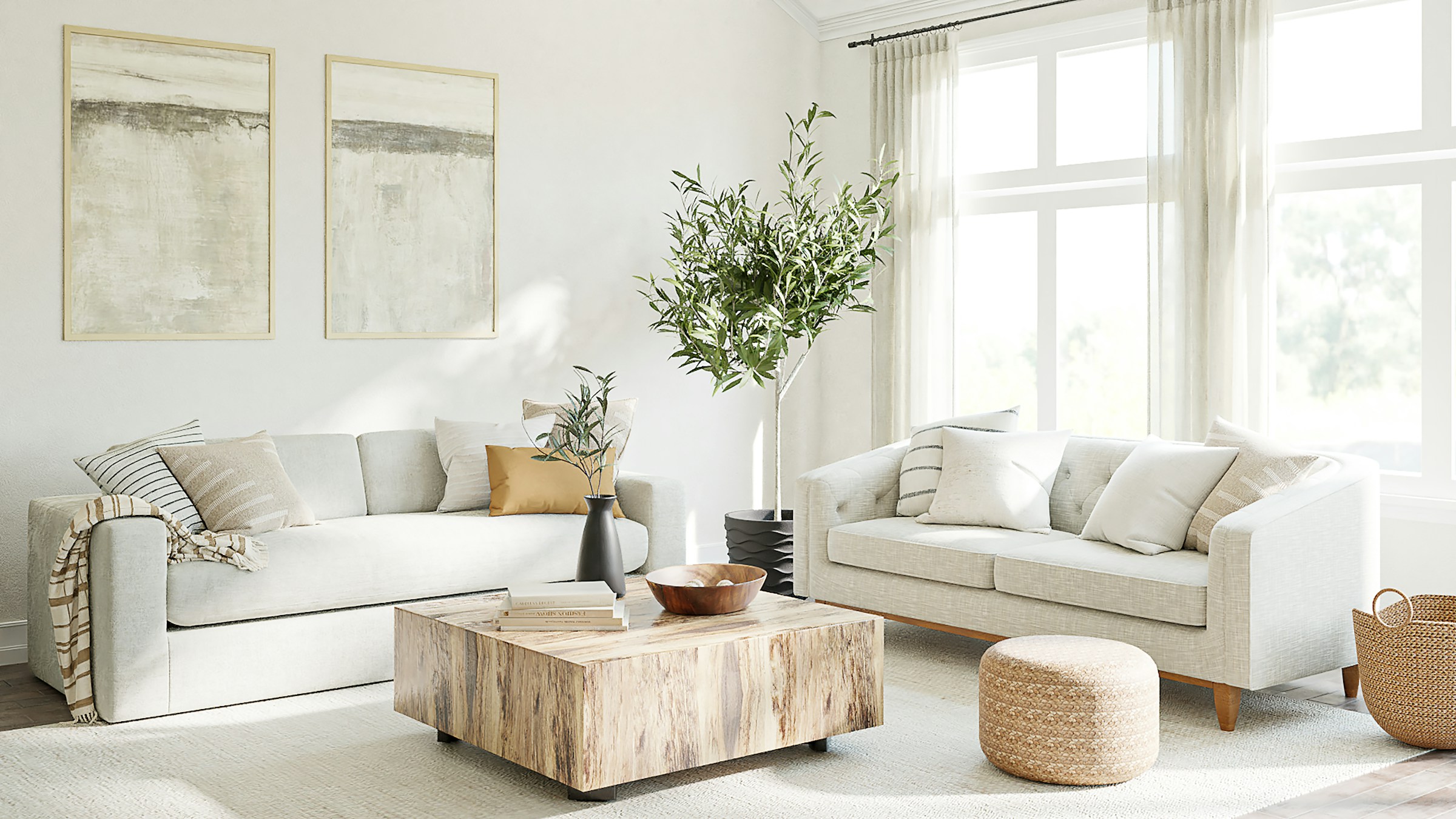
Built on proportion, light and touch
Trends change every few years; proportion, light and touch do not. A well-proportioned room with good daylight and pleasant surfaces will feel right in twenty years, whatever furniture fills it.
That is why we spend so long on things that are hard to photograph: the height of a window sill, the depth of a reveal, the temperature of a floor underfoot. Together they make a room that asks for nothing and gives a great deal.


